

WorkLife Law Welcomes Parental Leave Advocate and Hello, Bundle Founder Linzay Davis to Advisory Board
 WorkLife Law is thrilled to welcome Linzay Davis to our Advisory Board. The founder of Hello, Bundle, a parental leave consulting agency, Linzay brings a powerful personal story and deep dedication to helping working parents understand and exercise their rights.
Historic Victories: Pregnant and Lactating Workers Win Landmark Cases

The first lawsuits under the Pregnant Workers Fairness Act and PUMP Act have been tried, and workers won both cases — with awards totaling over half a million dollars. WorkLife Law is proud to have helped pass these landmark laws, shaped their regulations, and supported the attorneys who made these victories possible.
WorkLife Law Welcomes Former EEOC Commissioner Jocelyn Samuels and Award-Winning Litigator Carolin Guentert to Advisory Board
 WorkLife Law is thrilled to welcome two new leaders to our Advisory Board: former EEOC Vice Chair Jocelyn Samuels and Sanford Heisler Sharp McKnight, LLP partner Carolin Guentert. Jocelyn and Carolin bring extraordinary experience, expertise, and wisdom to WorkLife Law’s Advisory Board.
WorkLife Law Report Finds Trump’s Department of Education Has Resolved Zero Cases of Sexual Harassment, Assault, or Pregnancy Discrimination
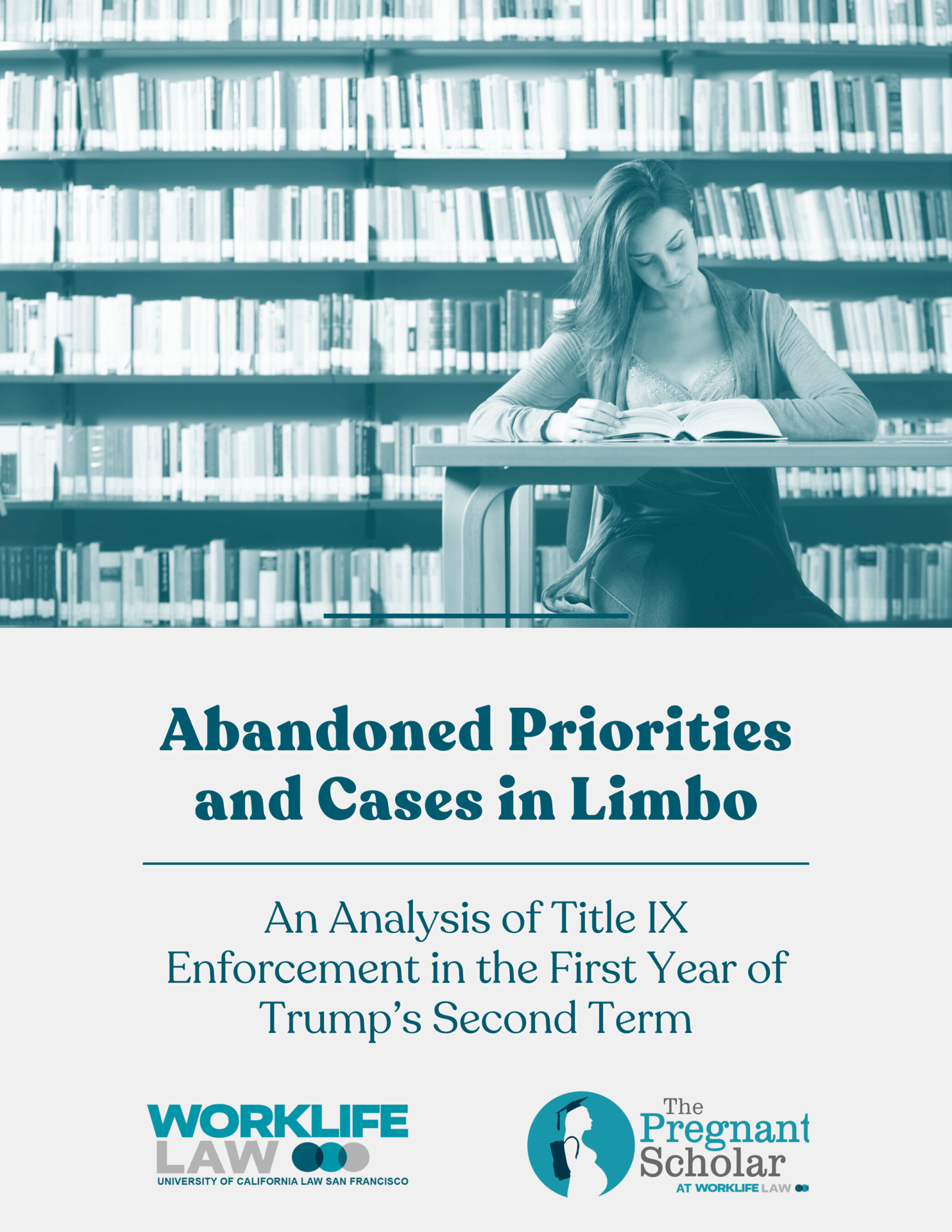 New research from WorkLife Law reveals that the U.S. Department of Education did not resolve any sexual harassment, sexual violence, or pregnancy discrimination cases during the first year of President Trump’s second term. The Department resolved only four sex-discrimination cases from its backlog of thousands of open investigations.
WorkLife Law Celebrates Federal Protections Reaching More Lactating Workers

As we ring in the new year, WorkLife Law is celebrating a major milestone: the PUMP Act’s lactation protections now cover workers in nearly every industry. This fall, WorkLife Law helped secure a new provision closing the gap for Congressional employees. And, on December 29, 2025, the PUMP Act’s protections finally took effect for certain transportation workers who operate locomotives or motorcoaches.
2025 Snapshot: Building Power for Working Families
 2025 threw many curveballs at working families – and those of us fighting for their rights. But here’s what stayed true: connection matters, progress is possible, and the work we do together makes a real difference. We found significant moments of hope in this hard year – a worker who kept their job, a new protection signed into law, a community organizer equipped to help their neighbor apply for paid leave. These wins remind us why we do this work – and that we can still move the needle, even now.
Happy National Family Caregivers Month!
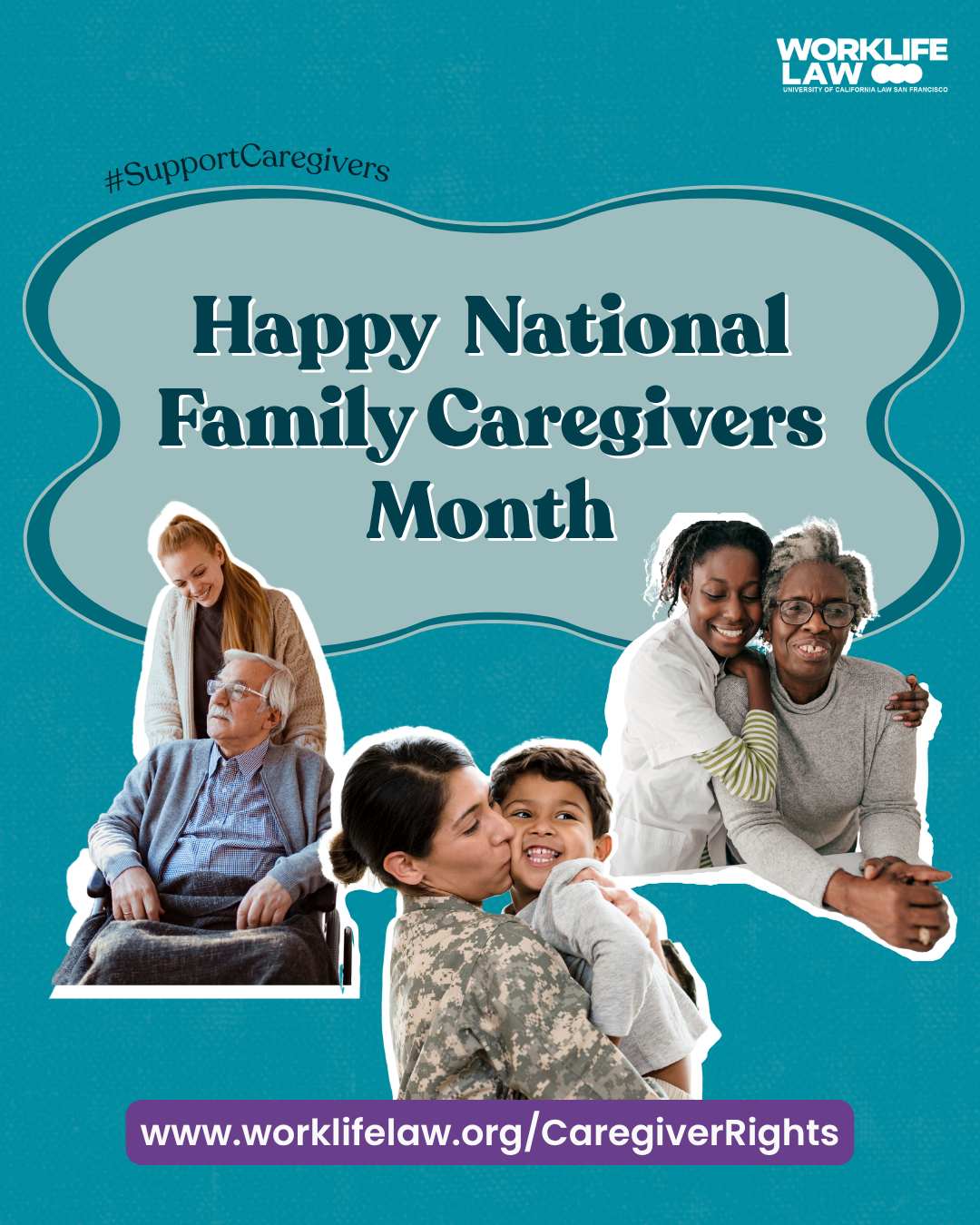 November is National Family Caregivers Month— have you paused to honor and celebrate the caregivers in your life? More than 63 million Americans are now providing care for family members with disabilities or serious health conditions, a number that continues to grow. Whether caring for aging parents or supporting disabled children, family caregivers are the glue that holds our communities together!
The Lasting Dangers of Pesticides– And How Empowering One Person Transforms Communities
 WorkLife Law has trained over 100 community health workers in how to support farmworkers endangered by toxic chemicals during their pregnancy. One of those workers includes “Rosa,” who recently shared her story with an investigative reporter unveiling the dangers of pesticide exposure and how our volunteers and legal helpline are keeping pregnant workers safe.
Audio Know-Your-Rights Resource Empowers Indigenous Workers
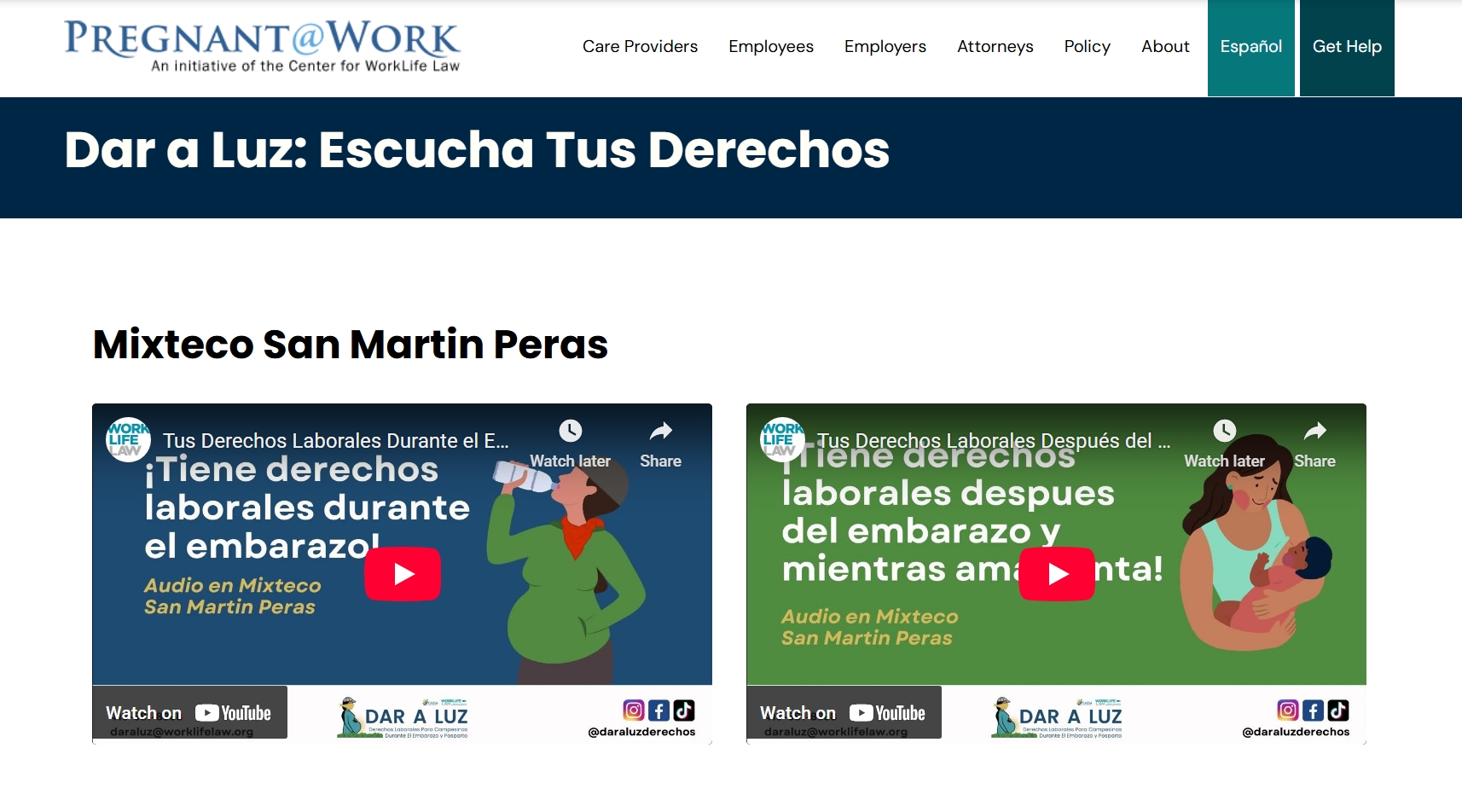 For the first time, farmworkers in California’s Central Coast can access critical pregnancy and workplace rights information in their native languages– by simply listening. Roughly half of the region’s farmworkers have limited Spanish proficiency and speak primarily-oral Indigenous languages. These workers have long been underserved by traditional outreach efforts, and often struggle to learn about the legal protections they need to stay safe. WorkLife Law’s newest resource breaks these barriers by allowing workers to listen to their rights.
WorkLife Law Opposes DOL’s Proposal to Strip Protections from Homecare Workers
 WorkLife Law is proud to have submitted comments opposing the U.S. Department of Labor’s proposed rule, “Application of the Fair Labor Standards Act to Domestic Service.” This rule proposes stripping basic minimum wage and overtime protections from homecare workers – a critical segment of the workforce whose labor is already undercompensated yet is critical for the well-being of our children, people with disabilities, and older adults. The proposed rule perpetuates a long and troubling legacy of undervaluing care work necessary for our economy and communities to thrive.