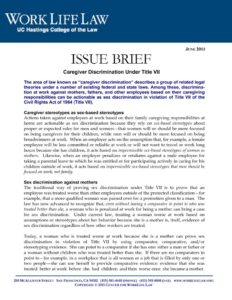



National, state, and local policies can be used to ensure family caregivers are able to provide care for their loved ones while continuing to earn a living. WorkLife Law’s public policy tools are designed to support changemakers looking to implement new laws to prevent caregiver discrimination in the workplace. Keep reading to uncover research insights, model legislative text, and sample advocacy materials.
What laws protect family caregivers?
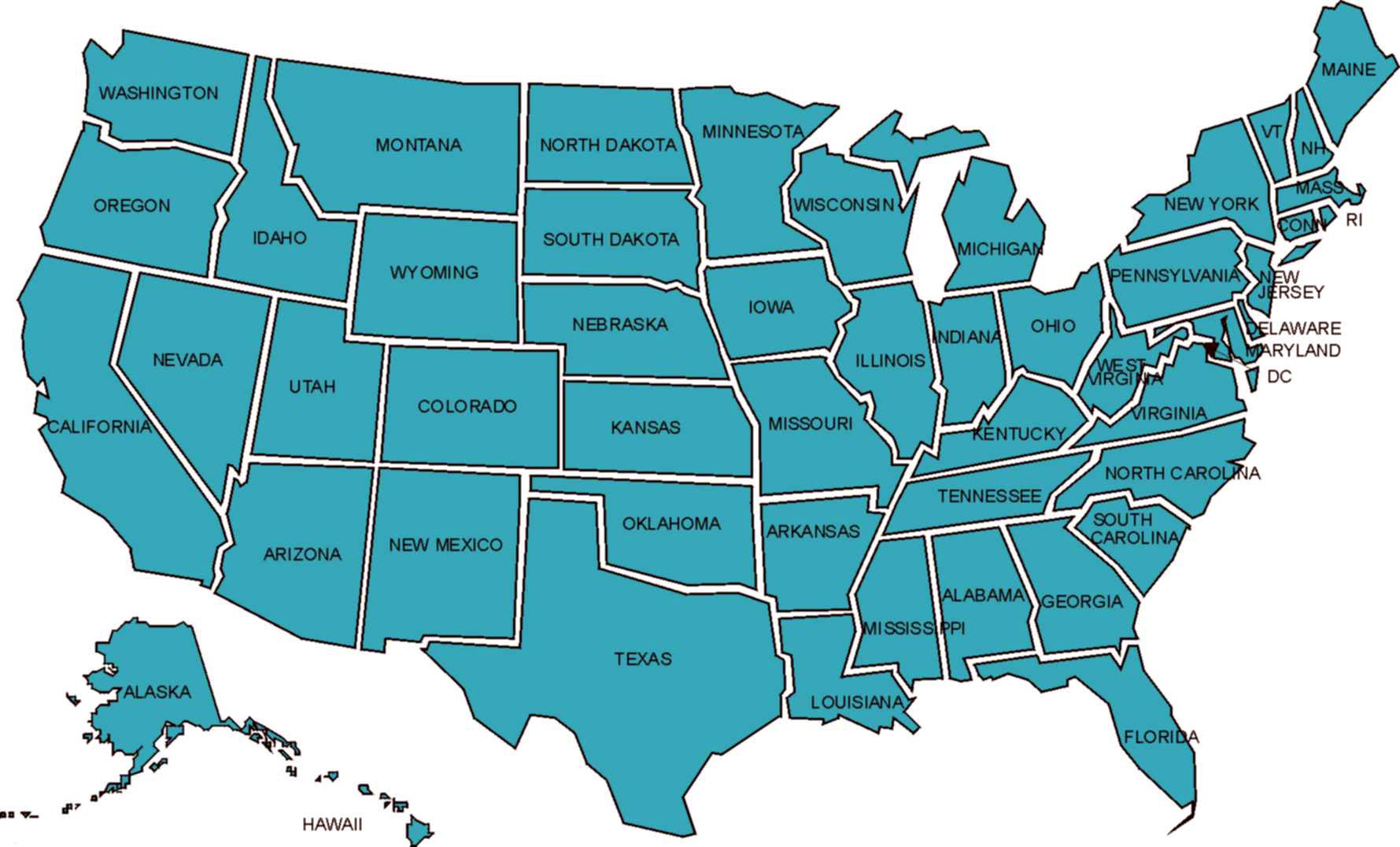 There is no federal law that explicitly prohibits discrimination against family caregivers in employment; however over 250 states, cities, or counties have laws that make employment discrimination based on family responsibilities or caregiver status illegal. Additionally, several federal laws impact the workplace rights of family caregivers. WorkLife Law’s guide provides an overview of these varied laws protecting family caregivers in the workplace.
What does caregiver discrimination look like?
Examples of caregiver discrimination include when:
- As soon as a worker reveals her husband has cancer, her boss starts tracking every minute of her time and exaggerating issues to justify firing her.
- A pregnant worker gets taken off the work schedule because her boss thinks she won’t care about her job after having her baby.
- The hiring manager ghosts a job applicant after he mentions that his partner has a disability. They fear the company will have to pay more for insurance.
- A new dad gets fired when he comes back to work after time off with his baby. His boss explains that men shouldn’t stay home with their kids.
- Managers block an employee from taking lactation breaks even though other employees are allowed to take smoke breaks whenever they want.
- A worker’s parent moves in with him—soon after he gets fired because his boss believes the worker might need to take days off to help his mom.
- A parent with postpartum depression is told by HR that they can’t take time off to seek help, even though their co-worker took leave after a heart attack.
- A boss wont give their best worker a promotion just because she is a mom. The boss says its because moms won’t be willing to travel for work.
- Management invents or exaggerates infractions or performance problems to justify firing employees with family responsibilities.
Public Policy Tools for Changemakers
- Laws Protecting Family Caregivers at Work: State and Local Caregiver Anti-Discrimination Laws
- Clarification or Complaints? The Impact of Family Responsibilities Discrimination Laws on State Enforcement Agencies
- Protecting Parents During COVID-19: State and Local Laws Prohibit Discrimination at Work
- Legal Rights at Work for Family Caregivers: Model Anti-Discrimination Bill Language and Guide
- Family Caregiver Discrimination Policy Guidance
- Litigation or Clarification? The Impact of Family Responsibilities Discrimination Laws
Sample Advocacy Materials